
Infrastructure Bonding
Outline: Ann Johnson Stewart is the only licensed Civil Engineer (PE) in the Minnesota Senate. Serving as Vice Chair of the Senate Transportation Committee and a key voice on Capital Investment, she brings rigorous technical analysis to ensure state investments deliver durable public works and protect taxpayers from costly delays.
Key Takeaways:
- The Engineer’s Advantage: Translating complex technical project plans into clear public policy and applying rigorous fiscal review to close contractor loopholes.
- Capital Investment & Bonding: Funding core municipal priorities—like clean water treatment and local bridges—while partnering with skilled trades to deliver family-sustaining jobs.
- Transportation & Climate Resilience: Modernizing stormwater systems to handle extreme weather and enacting common-sense road safety laws for construction zones and school corridors.
Infrastructure for the Future: Engineering Minnesota’s Roads, Bridges & Public Works
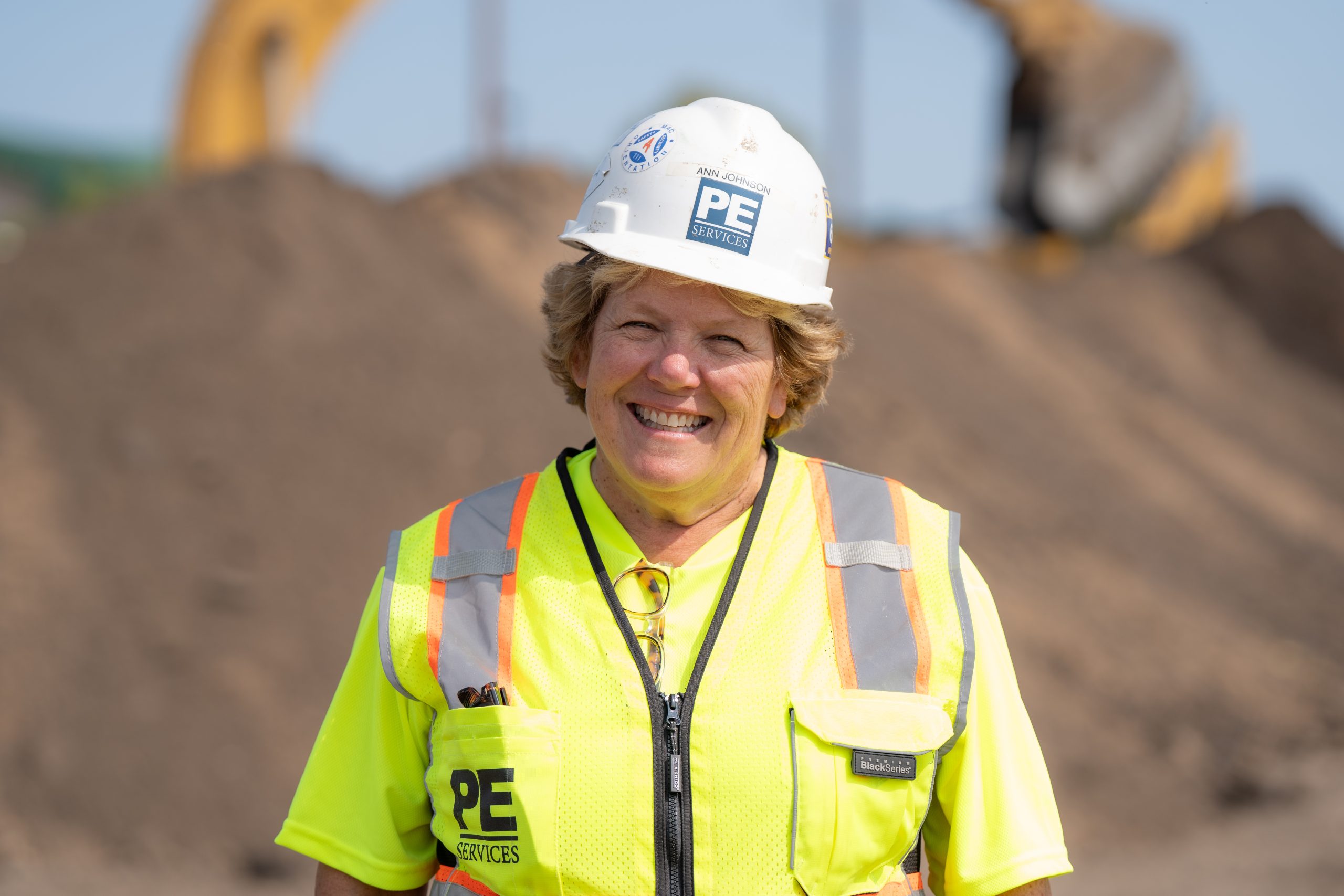
Ann Johnson Stewart is the only licensed Civil Engineer (PE) in the Minnesota Senate, officially verified by the Minnesota Legislative Reference Library. Serving as Vice Chair of the Senate Transportation Committee and a key voice on Capital Investment (Bonding), she brings unmatched hands-on construction management and oversight experience to the state budget, ensuring every public dollar invested delivers maximum durability.
“I ran for Senate because I’m passionate about infrastructure and I was frustrated because no one seemed to be caring or paying attention. We take infrastructure for granted. I tell my engineer friends that we are good at patching things together and making it work… but we are going to get to the point we can’t make it work any more.” — Senator Ann Johnson Stewart
The Engineer’s Advantage in St. Paul
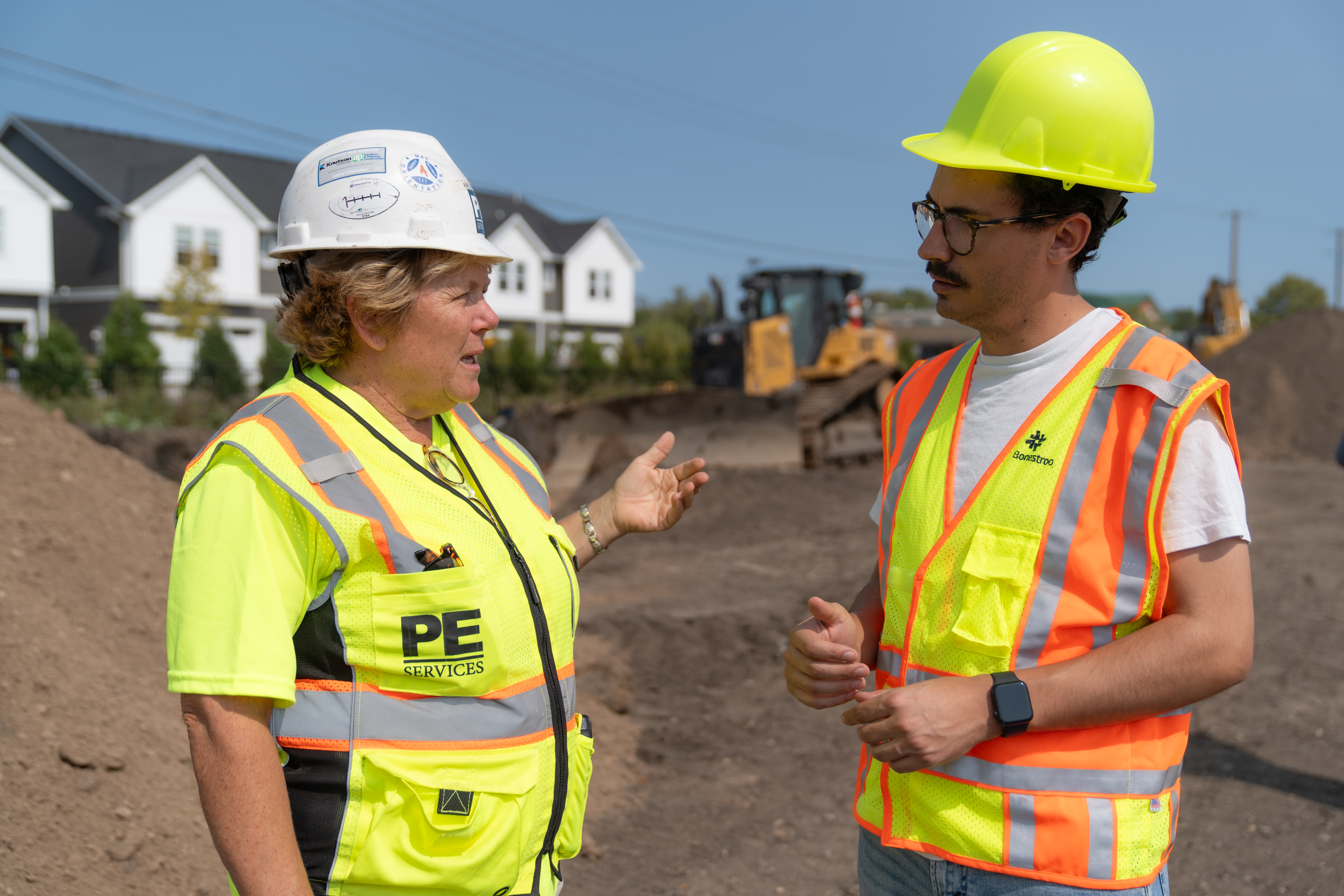
Applying practical technical analysis to state legislation and fiscal oversight, Senator Johnson Stewart translates complex technical project plans into clear public policy—enabling rigorous fiscal review to prevent costly delays and contractor loopholes.
Capital Investment & The Bonding Bill
Long-term investment in community assets requires a robust partnership with local union labor. By funding core municipal priorities like clean drinking water treatment, wastewater systems, and local bridge repairs, the state can partner with skilled trades to deliver durable public works projects.
In a joint press conference with local labor leaders on state bonding priorities, Senator Johnson Stewart made her focus clear:
“A bonding bill is about more than just construction; it is a vital investment in our state’s future. By funding critical infrastructure—from clean water systems to public facilities—we are not only maintaining the essential services our communities depend on but also creating family-sustaining jobs that strengthen our local economies.“ — Senator Ann Johnson Stewart
Transportation, Road Safety & Commuter Corridors
Protecting workers, students, and commuters across District 45 requires focused legislative action. This means upgrading critical highway intersections, improving regional trail connectivity, and enhancing pedestrian crossings, alongside enacting common-sense road safety laws for construction zones and school transit corridors.
“A bonding bill is a jobs bill. We can help Minnesotans by securing jobs for people, investing in our economy, and addressing the critical needs of our state for clean water, safe roads, and a healthy environment” — Senator Ann Johnson Stewart
Senator Johnson Stewart has translated this directly into legislative action by authoring the Construction Worker Work-Zone Safety bill (SF 1903) to ensure drivers are educated on protecting road crews, as well as specific protections for students:
“This legislation will make students safer with clear and common-sense updates to stop arm law that will require drivers to have more caution in approaching school buses.” — Senator Ann Johnson Stewart
Climate Resilience & Next-Generation Infrastructure
Modernizing stormwater systems and ensuring large industrial users pay their fair share is critical for Minnesota’s future. Senator Johnson Stewart advocates for upgrading stormwater retention and culverts to handle intense 100-year rainfall events and protect Lake Minnetonka watersheds. She also leads technical oversight on heavy-demand industrial developments—specifically guiding the passage of the 2025 Data Center Regulatory Bill—to safeguard municipal water tables and electric grids from overuse.
Her technical expertise in water management has earned her the backing of major environmental advocates:
“Senator Johnson Stewart knows how to build an economy that supports families and our precious Minnesota water. As a civil engineer, she’s uniquely qualified to create legislation that improves our infrastructure and your family’s health!” — Clean Water Action Minnesota
As a civil engineer, Ann knows that the best time to fix a bridge is before it fails. Protecting our roads, clean water, and taxpayer dollars takes proactive leadership and technical expertise in the State Senate—not waiting for crises to happen before taking action. Support Her 2026 Campaign Here